


How to Buy Aircraft Engine Parts
Find quality engine components fast.
When an engine is waiting for a part, every day counts. Aviatrading puts engine parts from airlines, MROs, engine shops and parts traders in one place — search by part number, compare condition and certificate type, and contact sellers directly or post one RFQ to all of them.
Sourcing engine parts without the runaround
Buying engine parts usually means calling around: one supplier has the part but not the paperwork, another has the paperwork but a long lead time, a third never calls back. Each hop costs time and often adds a markup.
Aviatrading shortens that loop. You see who holds the part, in which condition and with which certificate, and you talk to the seller directly. For an overview of the engine parts listed on the marketplace, see aircraft engine parts for sale.
What engine buyers look for
Engine buyers source everything from small hardware to complete modules:
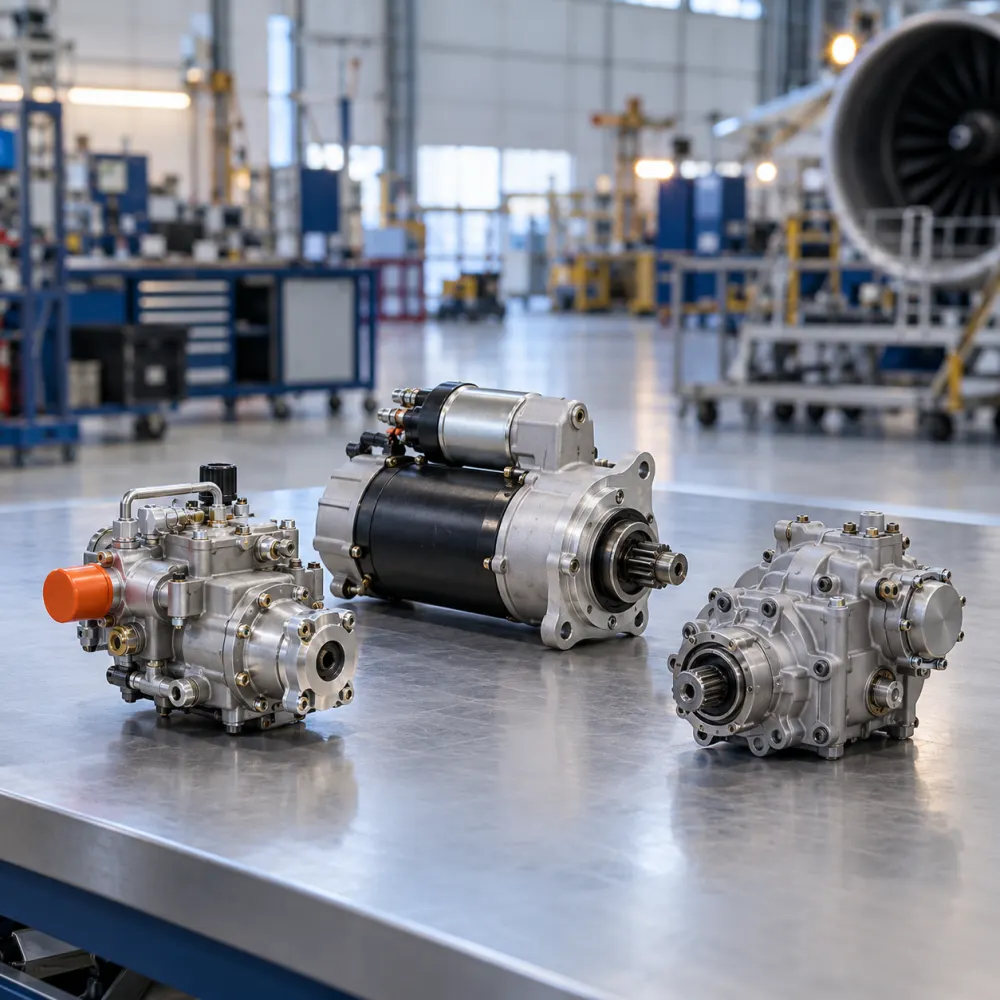
- Accessories and LRUs — fuel pumps, fuel control units, starters, generators, ignition exciters.
- Gas path parts — turbine blades and vanes, compressor parts, combustion liners.
- Life-limited parts (LLPs) — discs, shafts and other rotating parts with a cycle limit.
- Cores — unserviceable parts bought for overhaul or as exchange stock.
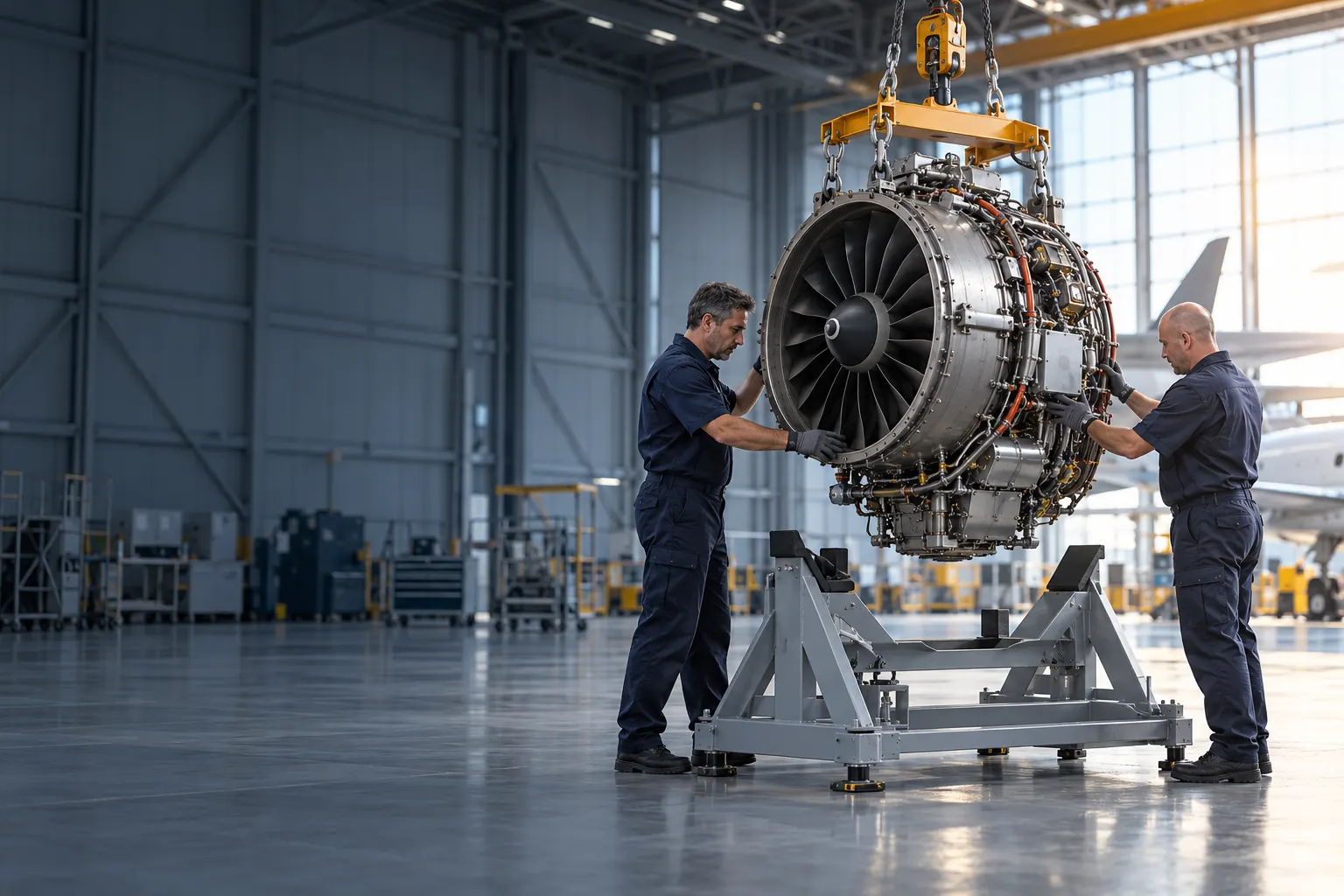
- Engines and modules — complete engines and engine packages for lease returns, spares or teardown.
Outright, exchange or repair
There is more than one way to get an engine part back on wing:
- Outright purchase — you buy the part and keep it. Simple, but the most expensive option for high-value parts.
- Exchange — you receive a serviceable unit and send your removed part back as a core. Usually faster and cheaper than outright.
- Repair or overhaul — your own part goes to a repair station and comes back with a new release. Cheapest when time allows.
Many sellers on Aviatrading offer more than one option. Ask in your message or RFQ.

Check the records before you buy
For engine parts, the records decide whether a part can be installed. Before you pay, ask the seller for:
- the release certificate — FAA 8130-3 or EASA Form 1 — for the part's current condition;
- part and serial numbers that match the part;
- for life-limited parts, back-to-birth records with cycles used and remaining;
- a non-incident statement from the previous owner;
- shop findings or teardown reports for overhauled and repaired parts.
Our guide to FAA 8130-3 and EASA Form 1 explains which certificate fields to check.

When an engine part is AOG
When an aircraft is on the ground, speed matters more than anything else. Search the catalog by part number first. If the part is not listed, post an RFQ with the part number, the condition you can accept and where it has to go — every seller holding the part can answer. Agree delivery terms with the seller directly.
How to buy on Aviatrading
- Search by part number or browse the engines category.
- Compare condition and certificate type across sellers.
- Message the seller, or post an RFQ if the part is not listed.
- Ask for the documents and check them before you pay.
- Agree price, terms and delivery with the seller.
Why engine buyers use Aviatrading
The fields and the shortcuts that matter when an engine is waiting for a part.
Part number search
Find engine parts by part number and see condition and certificate type at a glance.
One RFQ, many sellers
Post a request once and let every seller holding the part reply with an offer.
Paperwork up front
Every listing states the certificate type, so you can shortlist before you ask for documents.
Free for buyers
Searching, messaging sellers and posting RFQs costs buyers nothing.
Engine buyer checklist
| Check | Why it matters |
|---|---|
| Part number and dash number | A different dash number can mean a different, non-interchangeable part |
| Condition (NE, OH, SV, AR) | Defines what work was done and whether the part can be installed as delivered |
| Release certificate | FAA 8130-3 or EASA Form 1 for the current condition, matching part and serial numbers |
| Life-limited parts | Back-to-birth records and cycles remaining |
| Non-incident statement | Confirms the part was not involved in an accident or incident |
| Exchange terms | Core return deadline and the condition the core must be in |