


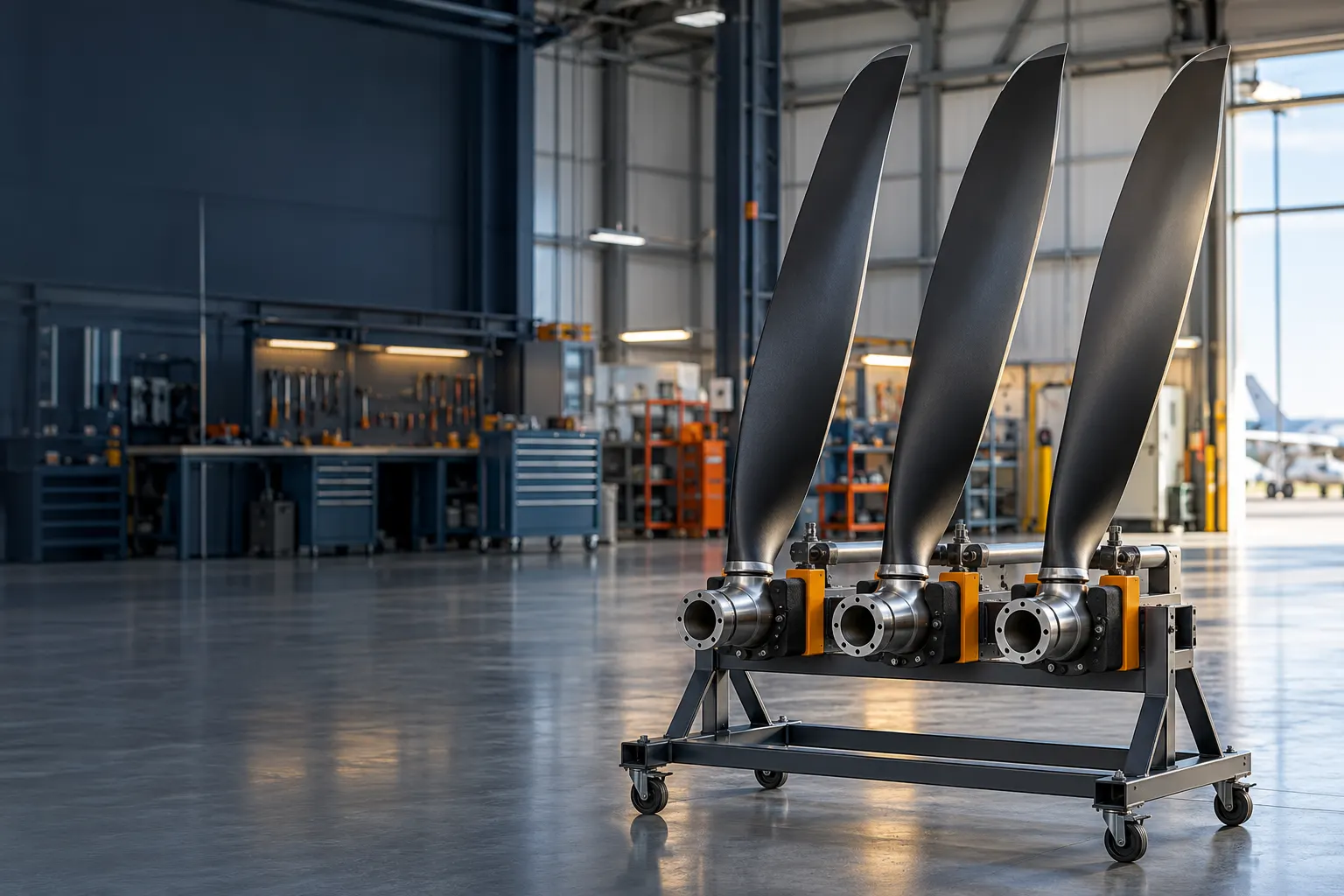
Aircraft Propellers & Accessories
Source propellers and propeller parts from trusted suppliers.
Turboprop operators, flight schools and MROs need propellers and propeller parts with known time and clean records. Aviatrading connects buyers with propeller shops, MROs and parts traders — search by part number, or post one RFQ and let every seller holding the part reply.
Propellers are bought on time and records
A propeller's value depends less on how it looks than on its history: time since new, time since the last overhaul, damage and repairs, and the status of airworthiness directives. Two blades with the same part number can be worth very different amounts.
That makes propellers a market where the right questions matter. On Aviatrading you can compare offers, ask the seller for records and agree terms directly.
What propeller buyers source
Buyers on Aviatrading look for:
- complete propeller assemblies;
- propeller blades;
- hubs and pitch-change parts;
- propeller governors and overspeed governors;
- de-ice boots, brush blocks and slip rings;
- spinners and bulkheads;
- synchrophaser and control parts.
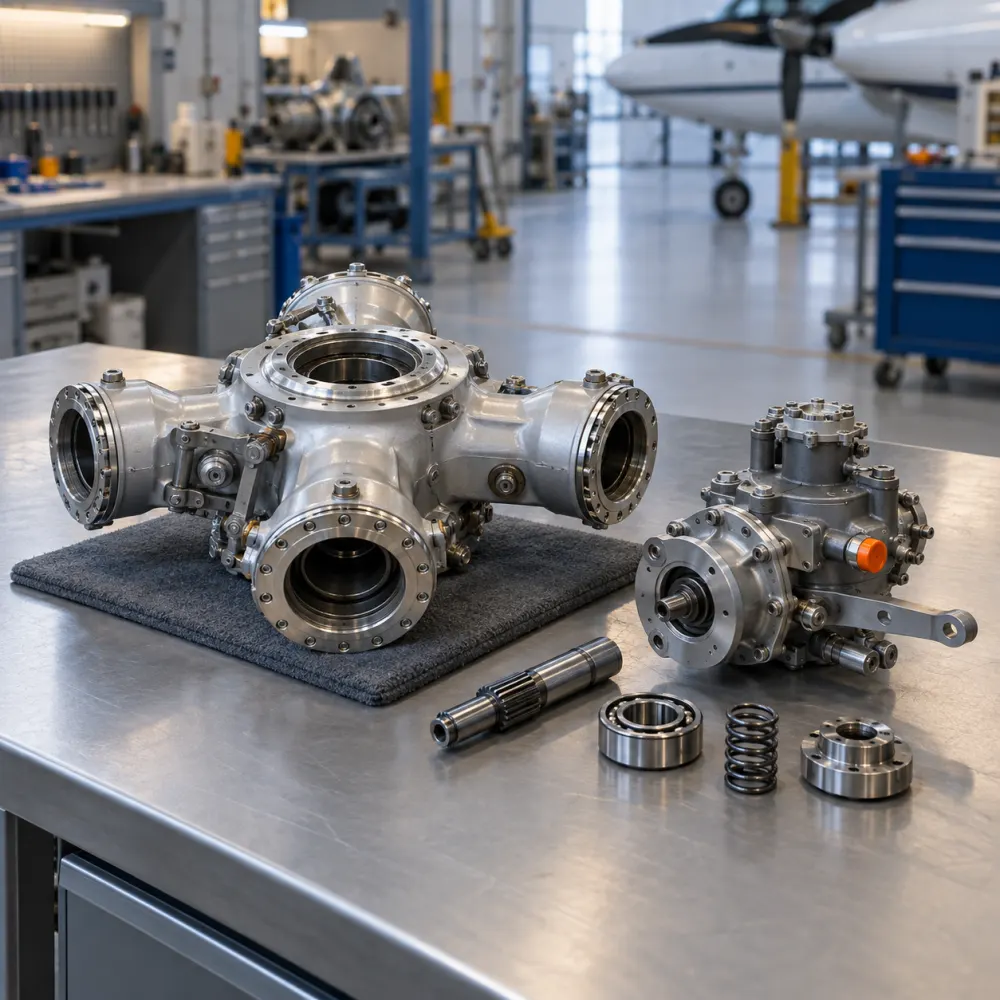
Time since overhaul and condition
Before you buy a propeller or blade, ask for:
- time and cycles since new;
- time since the last overhaul and the overhaul interval (TBO);
- the condition — new, overhauled, serviceable or as removed;
- known damage and repairs, with blade measurements if available.
A propeller close to its overhaul limit may still be a good buy for a short-term need — as long as the price reflects the time remaining.

Paperwork and airworthiness directives
Propeller paperwork should include:
- a release certificate — FAA 8130-3 or EASA Form 1 — for the current condition;
- logbooks or records showing time since new and since overhaul;
- the status of applicable airworthiness directives and service bulletins;
- the last shop's work report.
Our guide to FAA 8130-3 and EASA Form 1 explains which certificate fields to check.

Accessories and upgrades
Propeller accessories are often what grounds the aircraft — a governor, a de-ice boot or a brush block. These parts are frequently traded as overhauled or on exchange. Operators also replace older propellers with newer designs to reduce noise, vibration or weight; if you are planning an upgrade, ask sellers what is available for your aircraft type.
For engine-side parts, see engine parts for buyers.
How to buy on Aviatrading
- Search by part number, or browse propellers in the catalog.
- If the part is not listed, post an RFQ with the part number and condition you need.
- Ask the seller for records: time since new, since overhaul and AD status.
- Check the documents before you pay.
- Agree price, terms and delivery with the seller.
Why propeller buyers use Aviatrading
A smaller market where one RFQ can save days of calls.
One RFQ, many sellers
Post the part number once and let every seller holding the part reply.
Search by part number
Find blades, hubs, governors and accessories by part number or category.
Certificate type on every listing
See which release a part comes with before you ask for documents.
Free for buyers
Searching, messaging and posting RFQs costs buyers nothing.
Common turboprop platforms
| Aircraft | Typical engines |
|---|---|
| ATR 42 / ATR 72 | PW100 series |
| De Havilland Dash 8 | PW100 series |
| Beechcraft King Air | PT6A |
| Cessna Caravan | PT6A |
| Pilatus PC-12 | PT6A |
| Saab 340 | CT7 |